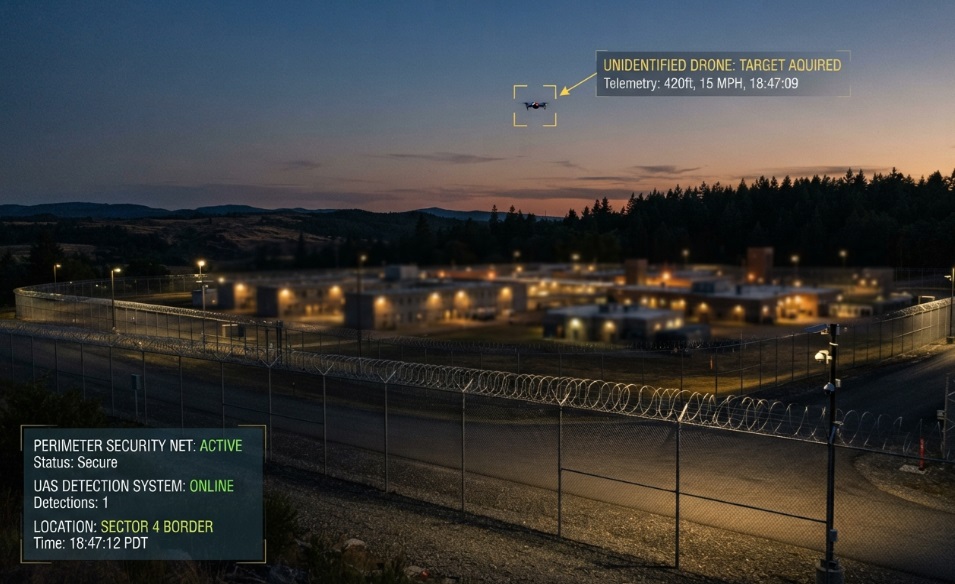
Modern extraction facilities face a shifting security paradigm. While perimeter fences, high-resolution CCTV networks, and biometric gate access remain standard, physical security alone is no longer enough. The proliferation of commercial and industrial unmanned aerial vehicles (UAVs) introduces a persistent vulnerability from above. Integrating robust drone detection for mining operations has transformed from a futuristic luxury into an absolute operational necessity.
Unmanned aerial vehicles present unique challenges for open-pit, underground surface infrastructure, and remote processing complexes. Whether operated by industrial espionage agents, curious hobbyists, or malicious actors seeking to disrupt supply chains, unauthorized flights over active extraction zones jeopardize billions of dollars in assets and, more importantly, human lives.
The Escalating Threat Landscape in Extraction Zones
Extraction sites are high-value, highly sensitive environments. They combine heavy machinery, explosive storage magazines, proprietary processing plants, and vast geographic footprints. Deploying drone detection for mining infrastructure addresses specific, high-stakes operational threats that traditional security systems miss entirely.
Consider the physical reality of a modern copper or lithium extraction hub. These facilities span dozens of square miles, making physical patrols of the airspace impossible. Unauthorized UAVs can easily bypass ground-level security to conduct reconnaissance, map proprietary extraction layouts, or even drop hazardous payloads onto sensitive processing facilities.
Furthermore, near-miss collisions between unauthorized consumer drones and heavy industrial transport helicopters or haulage support aircraft represent a catastrophic safety liability. Implementing continuous drone detection for mining sites ensures that security teams maintain total situational awareness before a stray aircraft compromises active flight paths or heavy equipment operations.
How Drone Detection for Mining Works
Effective airspace monitoring requires a multi-layered technological approach. Relying on a single sensor type often leads to high false-alarm rates or blind spots caused by complex topography, heavy machinery electromagnetic interference, and massive tailing structures.
Comprehensive drone detection for mining utilizes a fusion of radio frequency (RF) analyzers, acoustic sensors, thermal optical cameras, and specialized radar systems.
- Radio Frequency (RF) Analyzers: These units detect the control link between the pilot and the UAV, often identifying the drone even before it takes off.
- Acoustic Sensors: Specialized microphones pick up the distinct high-frequency signature of rotor blades, proving invaluable in deep pit environments where line-of-sight radar is obstructed.
- Active and Passive Radar: Custom-tuned radar hardware tracks small, low-altitude moving objects against heavy industrial radar clutter.
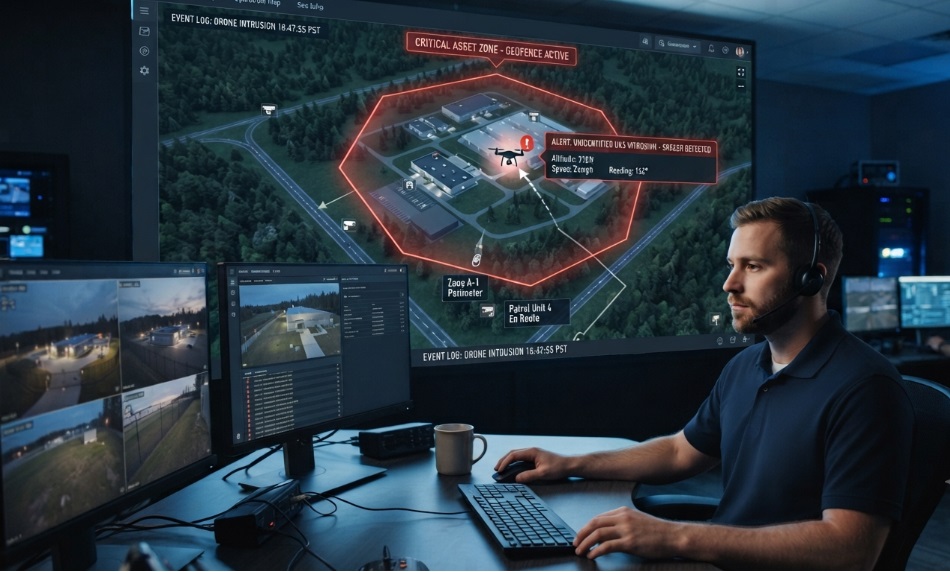
By merging these sensor feeds into a centralized command dashboard, Air Sentinel provides security personnel with real-time tracking data, flight vector analysis, and automated threat classification without disrupting daily mineral processing workflows.
Operational Benefits Beyond Basic Security
Deploying drone detection for mining yields measurable dividends that extend far beyond preventing corporate espionage or unauthorized photography.
Protecting Intellectual Property and Proprietary Data
Modern exploration utilizes high-end magnetometry and hyperspectral imaging. Competitors or bad actors using unauthorized UAVs can intercept proprietary geological survey data or map high-yield veins illicitly. Effective drone detection for mining neutralizes aerial data theft instantly.
Regulatory Compliance and Airspace Sovereignty
Many national aviation authorities enforce strict no-fly zones around critical national infrastructure, including mineral processing plants and explosive storage depots. Mining operators face severe liability if unauthorized aircraft operate unchecked overhead. Utilizing Air Sentinel helps facilities comply with stringent federal aviation mandates and internal corporate governance standards.
Ensuring Blast Zone Safety
Surface mining relies on scheduled, high-energy blasting operations. An unauthorized hobbyist drone entering a live blast radius can force an immediate, costly shutdown of the entire operation. Advanced drone detection for mining ensures that blast zones remain completely clear of both ground personnel and unexpected aerial intruders.
| Airspace Monitoring Method |
Coverage & Detection Scope |
Suitability for Mining |
| Ground Security & CCTV |
Horizontal angles only; blind to overhead approaches. |
Inadequate for aerial threats |
| Standard Aviation Radar |
Optimized for large aircraft; misses low-altitude micro-UAVs. |
High false-alarm rate |
| Advanced Drone Detection |
360° real-time tracking of Remote ID and custom UAV signals. |
Essential for Mining 4.0 |
Implementing Airspace Security: Best Practices
Deploying drone detection for mining requires careful site surveying and phased integration. Because industrial environments feature massive steel structures, heavy electromagnetic interference, and deep topographic relief, standard urban security frameworks will fail.
Site managers must first conduct an electromagnetic baseline study to identify local interference sources. Following this, sensor placement must prioritize high-risk zones, such as explosive magazines, primary crushers, and executive administration centers. Integrating drone detection for mining feeds directly into existing Security Operations Centers (SOCs) ensures that plant operators do not suffer from alert fatigue, allowing them to focus exclusively on validated, high-priority aerial anomalies.
Frequently Asked Questions
- Why is standard CCTV insufficient for monitoring modern extraction sites?
Standard CCTV cameras are designed for ground-level visibility and are typically angled downward. They possess narrow fields of view that cannot effectively scan high-altitude, dynamic airspace. Drone detection for mining utilizes specialized multi-sensor arrays built specifically to scan the sky for small, fast-moving aerial targets that cameras easily miss against complex backgrounds.
- Can drone detection for mining integrate with our existing security software?
Yes. Modern monitoring solutions feature open API architectures designed to plug directly into enterprise Security Information and Event Management (SIEM) platforms, VMS software, and automated alert dispatch systems used across heavy industry.
- Does drone detection for mining work effectively in remote, off-grid locations?
Modern deployment kits are engineered for harsh, remote environments. They feature low power consumption profiles, ruggedized weather-resistant enclosures, and satellite or cellular backhaul options, making drone detection for mining viable even in the most isolated global extraction outposts.
- How does heavy machinery interference affect airspace monitoring sensors?
Extraction sites generate substantial electromagnetic and acoustic noise from haul trucks, crushers, and mills. Advanced drone detection for mining hardware incorporates proprietary signal processing algorithms and multi-spectral sensor fusion to filter out industrial background noise and isolate genuine UAV signatures.
- What is the primary advantage of deploying Air Sentinel at an extraction facility?
Deploying Air Sentinel (https://airsentinel.ai/) provides comprehensive, real-time airspace awareness tailored specifically for high-risk industrial environments. It bridges the gap between ground security and overhead threat mitigation, protecting personnel, capital assets, and proprietary data from unauthorized aerial intrusion.

 BLOG · SEP 22, 2026